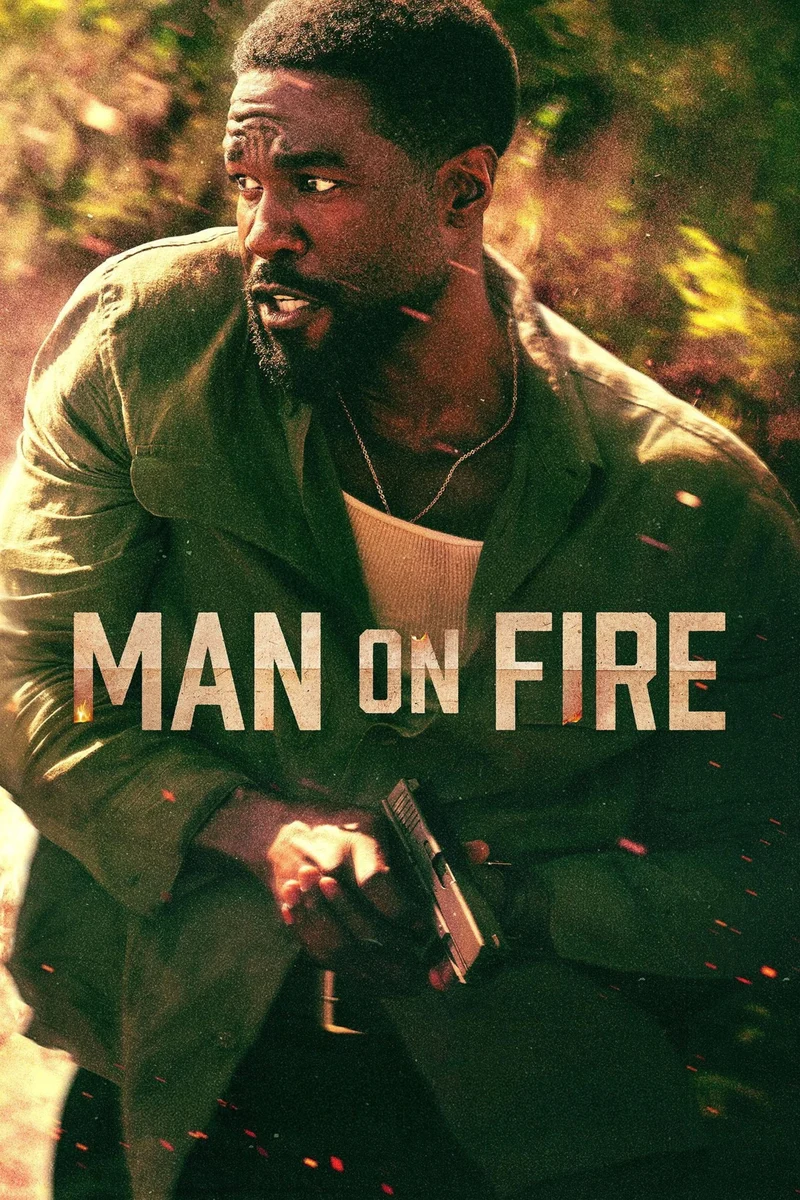
Man on Fire brings John Creasy into a new television adaptation. The premise combines a protective assignment with the aftermath of violence, making the difference between being useful in danger and being able to live outside it a central question.
The series has its own identity
Yahya Abdul-Mateen II plays John Creasy, a former Special Forces operative seeking a fresh start in Rio de Janeiro. The official Netflix account describes him as living with post-traumatic stress and becoming responsible for protecting a girl named Poe, played by Billie Boullet. Kyle Killen is the showrunner, and the series draws on A. J. Quinnell’s books. This is a television project with its own cast and setting, so memories of a same-titled film should be treated as comparison rather than an exact episode guide.
Protection is more than an action skill
A protector may be very capable when a threat is obvious and much less certain when someone needs reassurance, patience or an ordinary routine. That contrast is a useful lens for Creasy’s situation. Ask whether the person being protected has a voice in the decisions made for them. A promise of safety can require trust as well as physical intervention. The serial format also allows the cost of vigilance to be considered alongside the immediate question of how to escape a dangerous encounter.
Keep character experience distinct from diagnosis
The official premise names trauma as part of Creasy’s history, but a fictional portrayal cannot represent every person with the same condition. A more precise discussion asks what the series shows this individual finding difficult and how that affects his relationships. New viewers can begin with the series opening rather than assembling a continuity from unrelated adaptations. Returning fans of the source material can compare how a longer format balances the protective mission with attempts to establish a life. The character’s future matters alongside the next threat.