
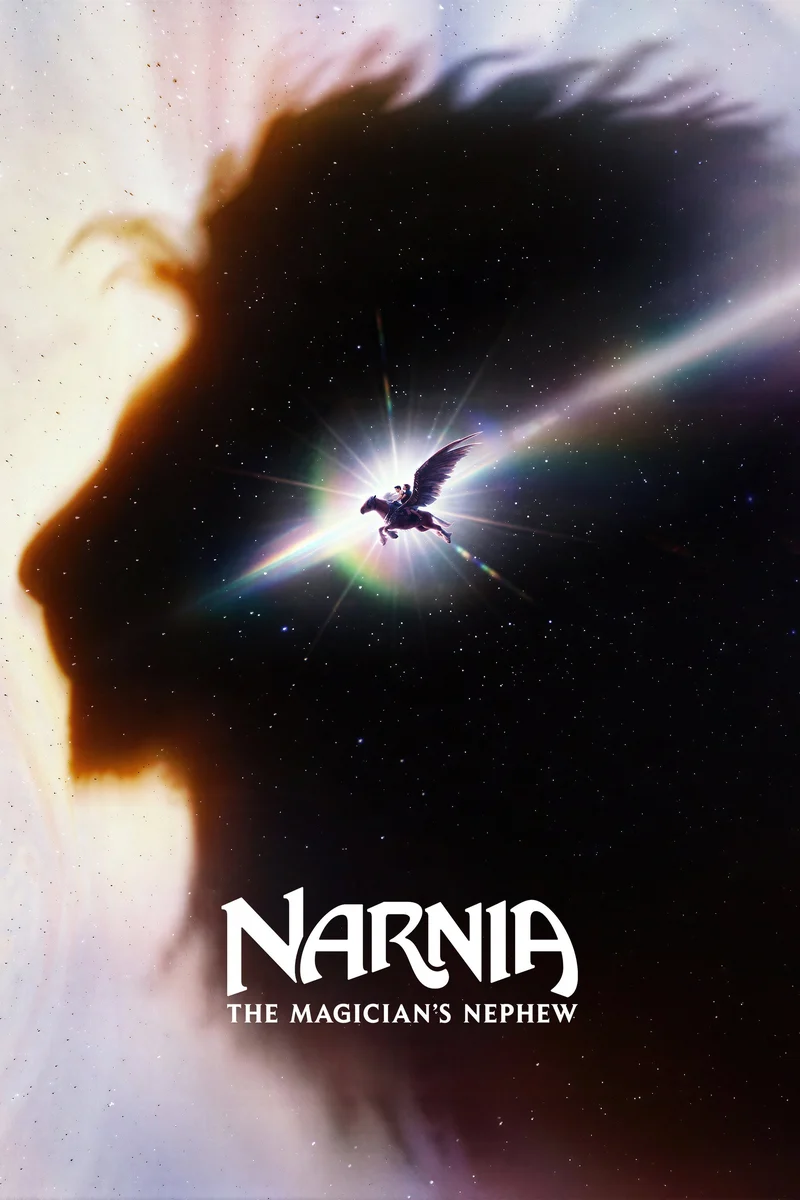
Narnia: The Magician’s Nephew looks toward the creation of Narnia rather than returning immediately to a familiar later adventure. The announced adaptation makes discovery itself central: an enchanted world begins as something its travellers do not yet know how to understand.
The book and the new film
Netflix identifies Greta Gerwig as writer and director of the first screen adaptation of C. S. Lewis’s The Magician’s Nephew. David McKenna plays Digory and Beatrice Campbell plays Polly, with Daniel Craig as Uncle Andrew and Emma Mackey as Jadis. The official material also includes Carey Mulligan and Meryl Streep in the cast. As checked in November 2026, Netflix announces a 2027 release. This is the creation story’s own adaptation, rather than a direct continuation of the earlier Lion, the Witch and the Wardrobe screen cast.
An origin can change the meaning of a familiar place
A world encountered after it has acquired history feels different from a world whose beginning is still taking shape. That makes an origin story more than a list of explanations for objects recognised later. Ask what responsibilities come with entering a place before its rules are settled in the travellers’ minds. Gerwig’s official discussion emphasises Narnia being brought to life through song. As a viewing question, consider how sound and discovery can make creation an event experienced by characters, rather than background information delivered before the adventure starts.
Different kinds of first encounter
Readers may arrive knowing where this book sits within the wider Chronicles, while film viewers may remember a different doorway into Narnia. Both positions offer useful comparisons without dictating one compulsory order of discovery. Follow Digory and Polly’s immediate experience before consulting a complete history of every later connection. A family discussion can ask how curiosity differs from entitlement: finding a route into another world does not necessarily mean having the right to use it however one wishes. The origin premise gives that distinction room to matter.