
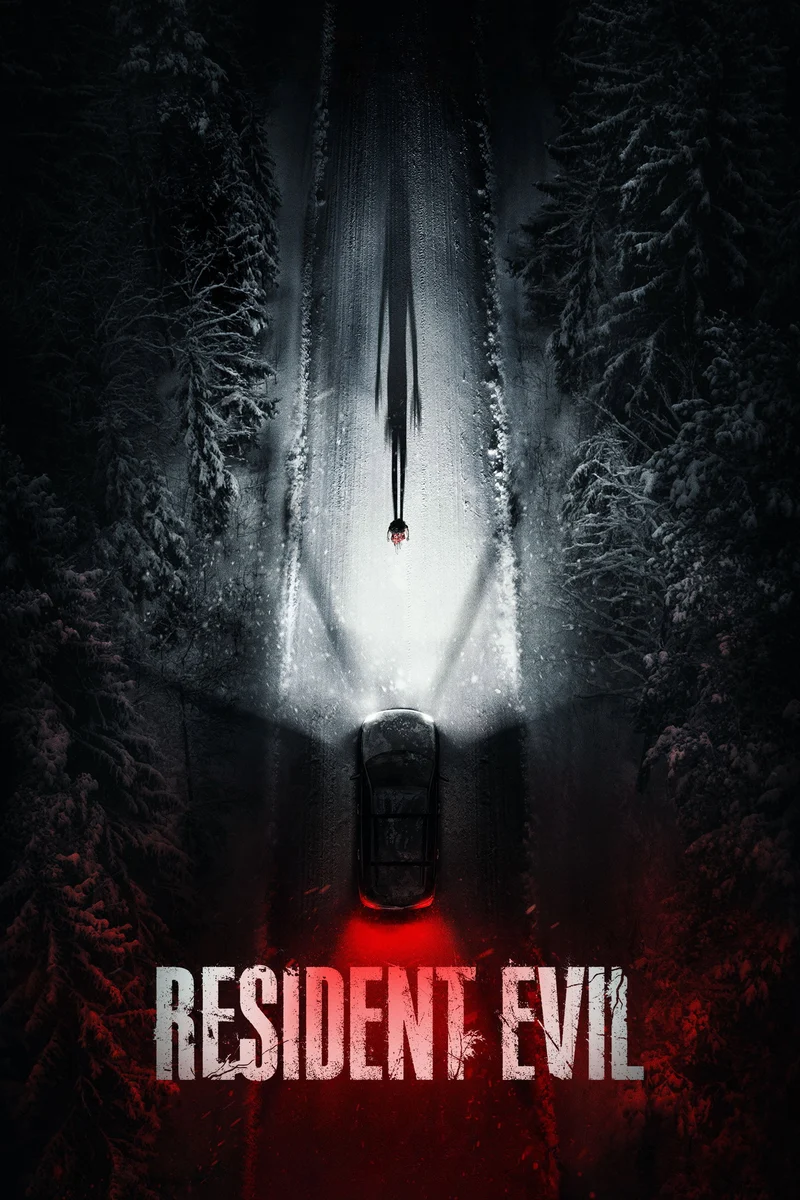
Sony describes Zach Cregger’s Resident Evil as a reinvention of the game-based franchise. The announced story follows Bryan, a medical courier whose ordinary work becomes a continuous struggle to survive a night that collapses into chaos.
A route becomes a narrative
A courier begins with a practical task: travel from one place to another and deliver something. The official premise makes that movement the spine of a horror story. Familiar decisions about a street, doorway or route can become uncertain when the environment changes faster than the protagonist can understand it. That is a useful way to discuss survival horror: forward movement is necessary, but each step demands information the character does not yet have.
A reinvention has a different starting point
Austin Abrams plays Bryan, and Sony identifies the film as an all-new story. The screenplay is credited to Cregger and Shay Hatten. Those details distinguish this project from assuming it directly continues every earlier film character or repeats the events of one game. A franchise can preserve an approach to danger while choosing a new protagonist and route through it. Recognizing that distinction helps viewers enter the film without an invented checklist of mandatory previous instalments.
What game-derived horror can carry across
Games often make a player choose when to advance, conserve resources or face an unseen threat. Cinema controls that timing differently, through framing, performance and sound. The interesting adaptation question is how a film creates the feeling of committing to a dangerous decision when the audience cannot make it themselves. Bryan’s limited viewpoint provides a clear framework for that comparison. The official starting point supplies enough context to discuss the approach without revealing encounters, solutions or the final destination of the night.