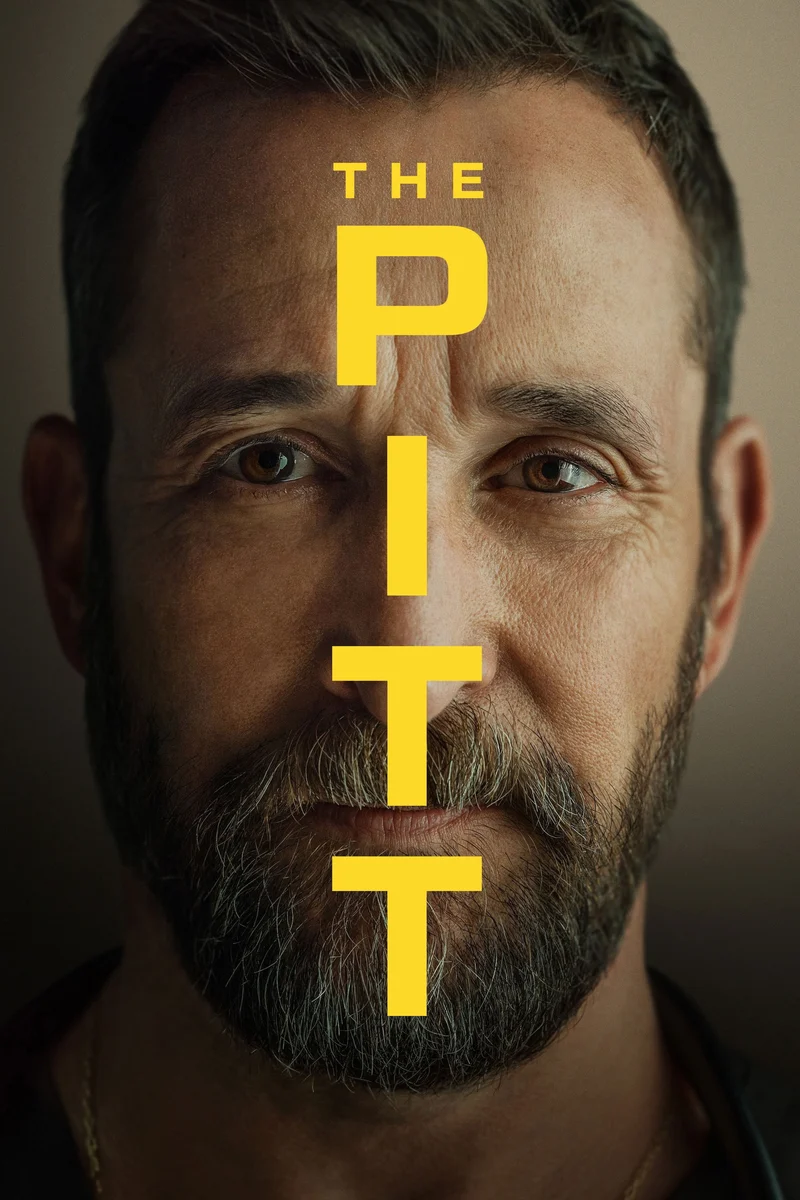
The Pitt centres frontline hospital work in Pittsburgh. Its most useful viewing lens is the collision between individual attention and a system under pressure: several people can need help urgently, while time and staff remain limited.
People inside an institution
The official HBO Max description places the drama among healthcare workers in a modern Pittsburgh hospital. Noah Wyle plays Dr. Michael Robinavitch, known as Dr. Robby; R. Scott Gemmill created the series. Those anchors identify a medical workplace drama rather than a documentary about a particular real hospital. Its setting lets patient encounters and staff relationships occupy the same space. One person’s immediate emergency can become another worker’s accumulating burden, even when both are trying to make a reasonable decision.
Tension beyond a diagnosis
A hospital story does not need an unfamiliar condition to create uncertainty. Waiting, interrupted conversations, incomplete histories and competing demands can all alter what a decision feels like. Consider who has information at each moment and who still needs an explanation. The difference between doing a task and helping someone understand it is an especially useful lens for medical drama. It also makes supporting roles significant: a patient’s experience of care is shaped by far more than the person who delivers a diagnosis.
How to approach difficult material
If you prefer a character-led workplace series, look for the way professional habits reveal relationships under strain. If medical situations feel close to home, episode descriptions can help you decide when to watch; a broad genre label cannot predict every personal trigger. The show’s scenes are storytelling rather than instructions for recognising illness or choosing treatment. The worthwhile discussion afterwards is how responsibility, communication and exhaustion are represented, without using a fictional case to judge a real person’s care.