
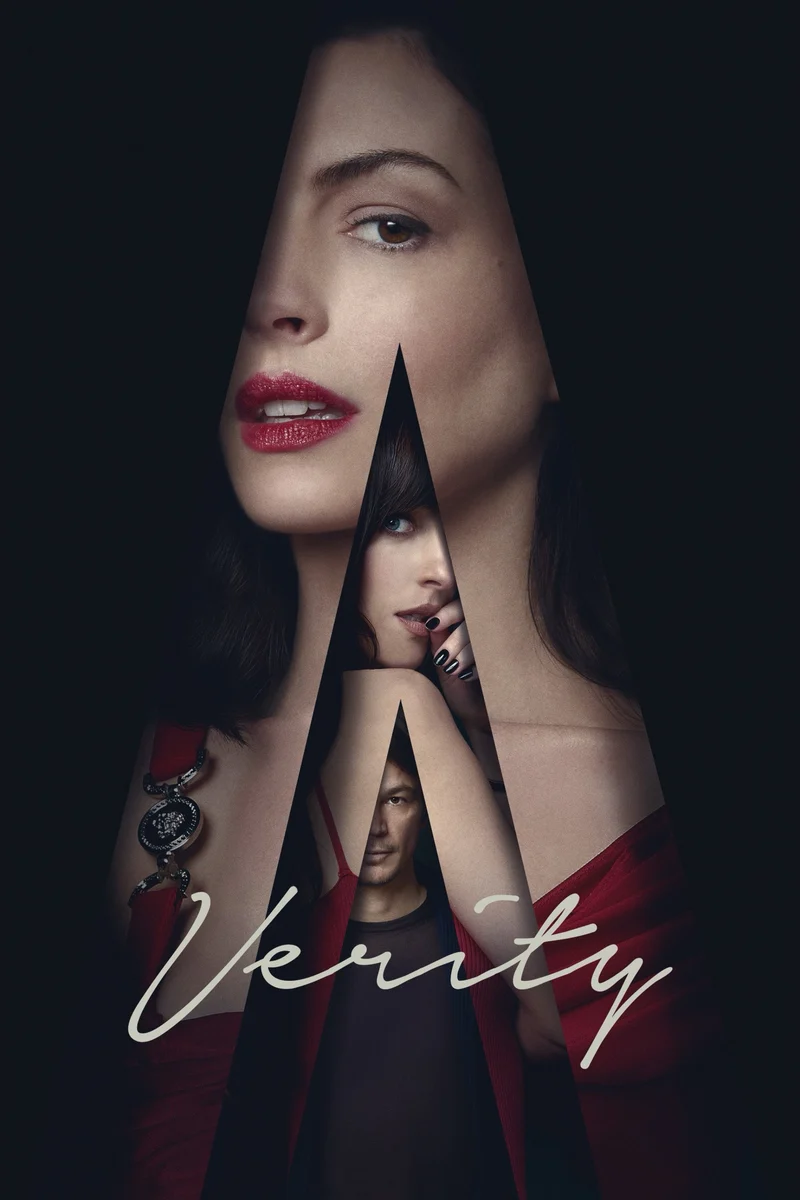
Verity adapts Colleen Hoover’s novel around a ghostwriter working in another author’s home. A disturbing manuscript changes the job into a question about truth, invention and the risks of treating a private text as a complete explanation of a family.
A professional task crosses a personal boundary
Amazon’s premise introduces Lowen Ashleigh, a struggling writer hired to continue the work of an injured successful author. Living at the Crawford estate brings her inside the family whose story she is trying to interpret. That setting is important: a ghostwriter is employed to speak in someone else’s voice, yet must make judgements about what that voice means. Access to a document and access to the whole truth are different kinds of knowledge.
Why written evidence can be unsettling
The discovered manuscript creates uncertainty because writing can confess, invent, manipulate or combine those purposes. A psychological thriller can make the audience examine not only what a text says but why it exists and who benefits from a particular interpretation. That is a useful discussion frame without summarizing the revelations or deciding the central ambiguity for a new viewer. The tension comes from interpretation becoming entangled with attraction, opportunity and fear.
The adaptation’s identifying details
Dakota Johnson plays Lowen, Anne Hathaway plays Verity Crawford and Josh Hartnett plays Jeremy Crawford. Amazon identifies Michael Showalter as director. These details distinguish the film from the source novel and other Hoover adaptations. Readers comparing versions can consider how a screen story gives visual form to a manuscript and to doubt: a written claim can be shown, remembered or imagined in several ways. The most productive comparison asks how the adaptation controls the audience’s confidence in an account, rather than treating every difference from the novel as an error.