
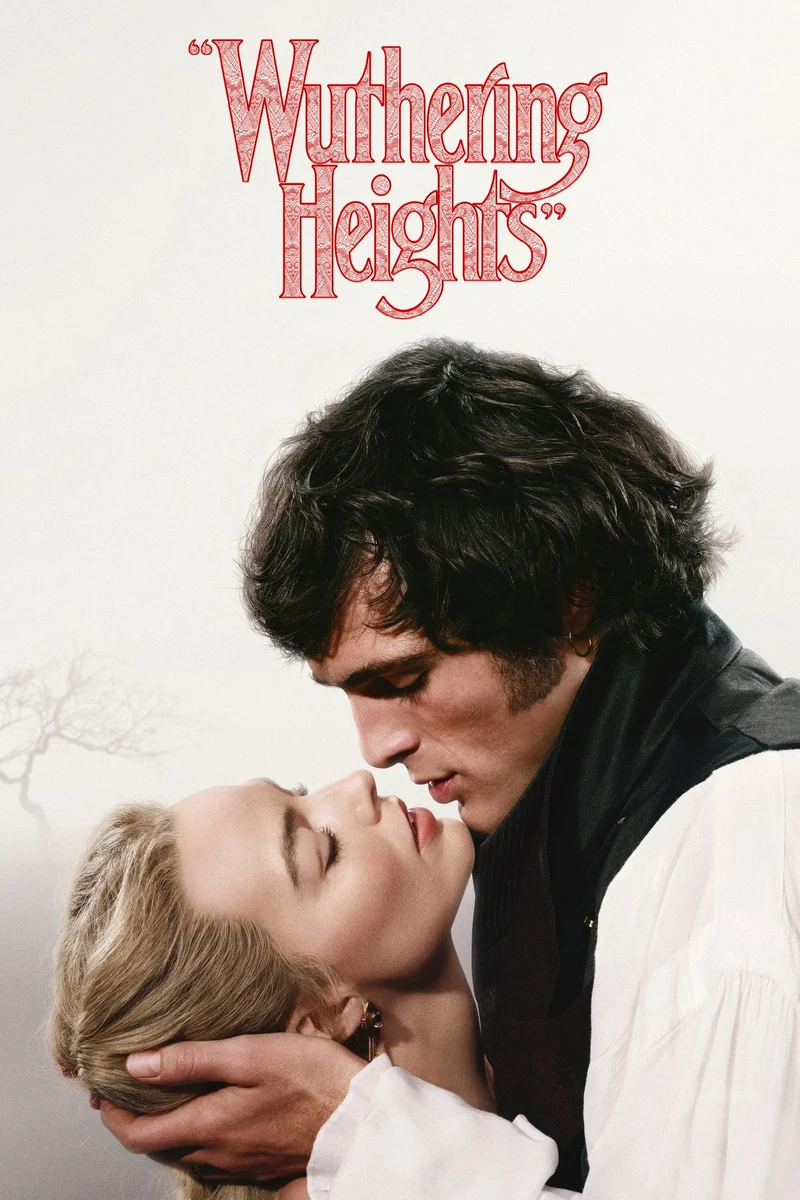
Emerald Fennell’s “Wuthering Heights” returns to the charged relationship between Cathy and Heathcliff. The most useful starting point is the difference between an intense attachment and a healthy one: a gothic love story does not make those concepts interchangeable.
The film and the novel have distinct identities
Warner Bros. identifies Fennell as writer and director, with Margot Robbie and Jacob Elordi starring. Penguin’s movie tie-in identifies their characters as Cathy and Heathcliff and connects the film to Emily Brontë’s novel. The book’s premise involves a foundling’s attachment to the daughter of his benefactor, with social position helping shape a destructive conflict. That is source context, rather than a claim that the film reproduces the novel’s full structure, every generation or each narrated event. The quotation marks are part of this film’s presented title.
Intensity is not a complete moral explanation
A relationship can feel absolute to the people within it while making cruel demands on others. That tension gives a more precise way into a gothic romance than asking only whether a couple belongs together. Consider what the characters treat as proof of love and what those demands cost. Class can influence which choices look available, but it need not erase individual responsibility. A useful discussion holds social pressure and personal action together instead of allowing either one to explain away the other.
A comparison worth making after the film
Readers can ask how a screen version handles a novel mediated through accounts of the past. Whose perspective is visible, and whose experience must be inferred? Newcomers can follow the central relationship without reading a full plot summary that exposes later family consequences. Landscape, rooms and costume can also express a claim about belonging or exclusion, rather than simply supplying a period setting. Compare the adaptation’s emphasis with what the title led you to expect, while keeping the film’s choices distinct from assertions about everything contained in Brontë’s book.