A distributor discussion concerns an ongoing sales and support relationship. It needs a description of the audience, sales channels, operational capacity and proposed responsibilities. It does not establish exclusive territory, a guaranteed margin or permission to use another brand’s identity. Keep the proposal separate from the terms that are actually agreed, and avoid presenting a preliminary enquiry as an appointed status.
Describe the operating model
Explain whether the team intends to handle customer onboarding, first-line support, renewals or only enquiries. Those activities create different workloads and information needs. Include the actual market and customer languages you can serve rather than writing worldwide support as a generic promise. The goal is a practical description of how the business would operate, not a list of impressive but unverified capabilities.
Identify responsibilities that need agreement
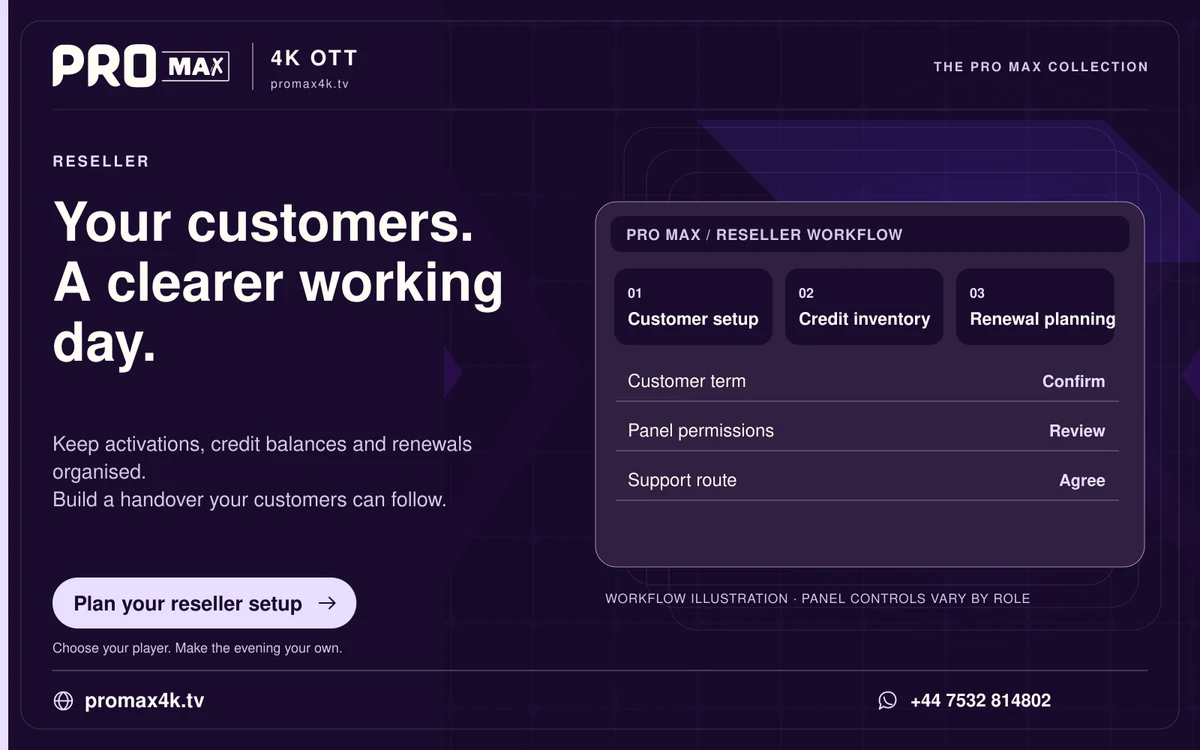
Account handling, pricing updates, escalation and customer records need clear ownership. Ask what tools and access are actually available. Do not assume a multi-user panel, an API or a special role system exists. If a proposed task requires access that is not available, resolve that dependency before making a customer-facing promise.
Keep public claims aligned with the outcome
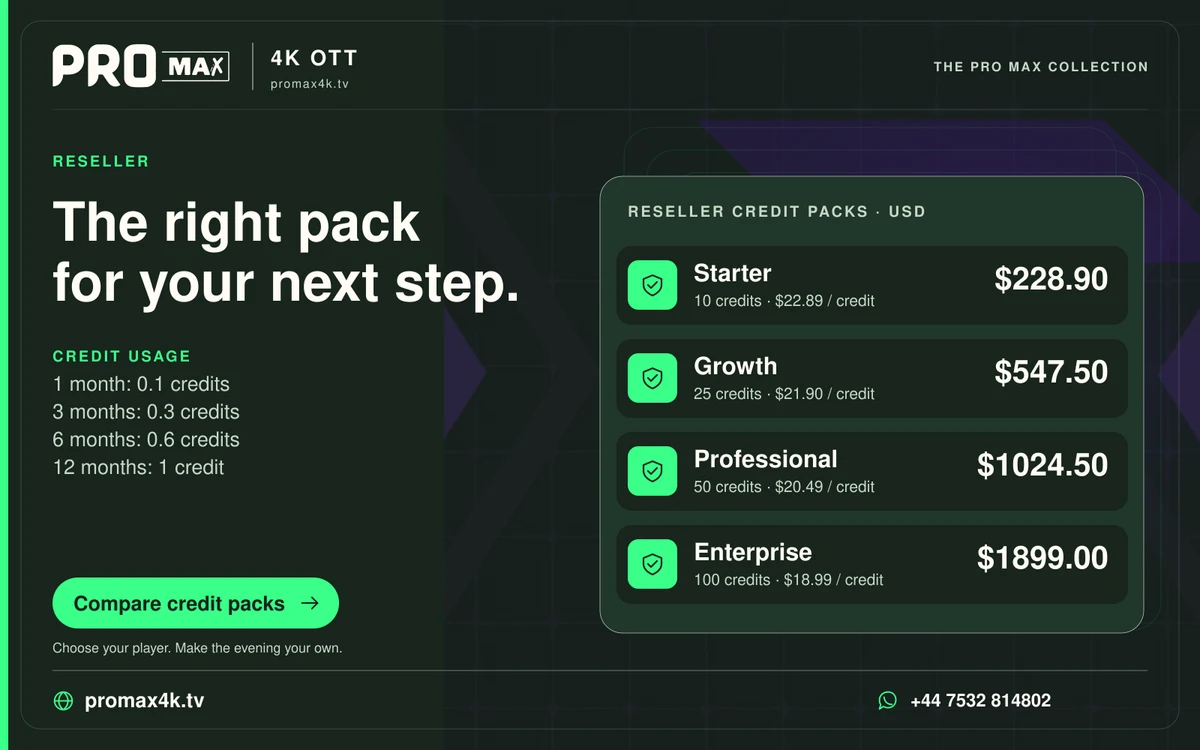
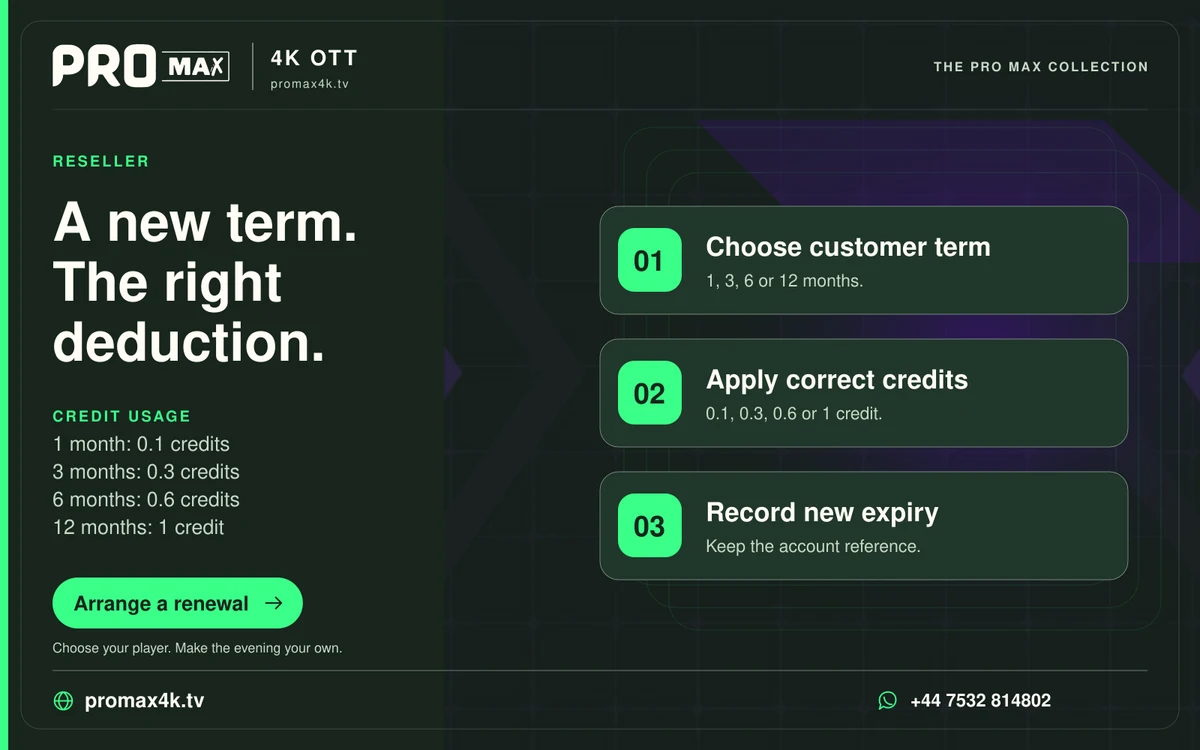
A discussion can remain exploratory. Only publish an appointed or exclusive status when the actual arrangement supports that wording. Keep the written scope with the business record and update marketing when the arrangement changes. A reseller credit purchase alone does not prove a distributor agreement or any relationship with the third-party broadcasters shown in artwork.
A practical sequence
0 of 4 steps completed on this page.
An example to work through
A team enquires about serving one language community. That is a proposal, not evidence of exclusive regional rights. Its public website can describe the service it actually provides without announcing an appointment that has not been agreed.