
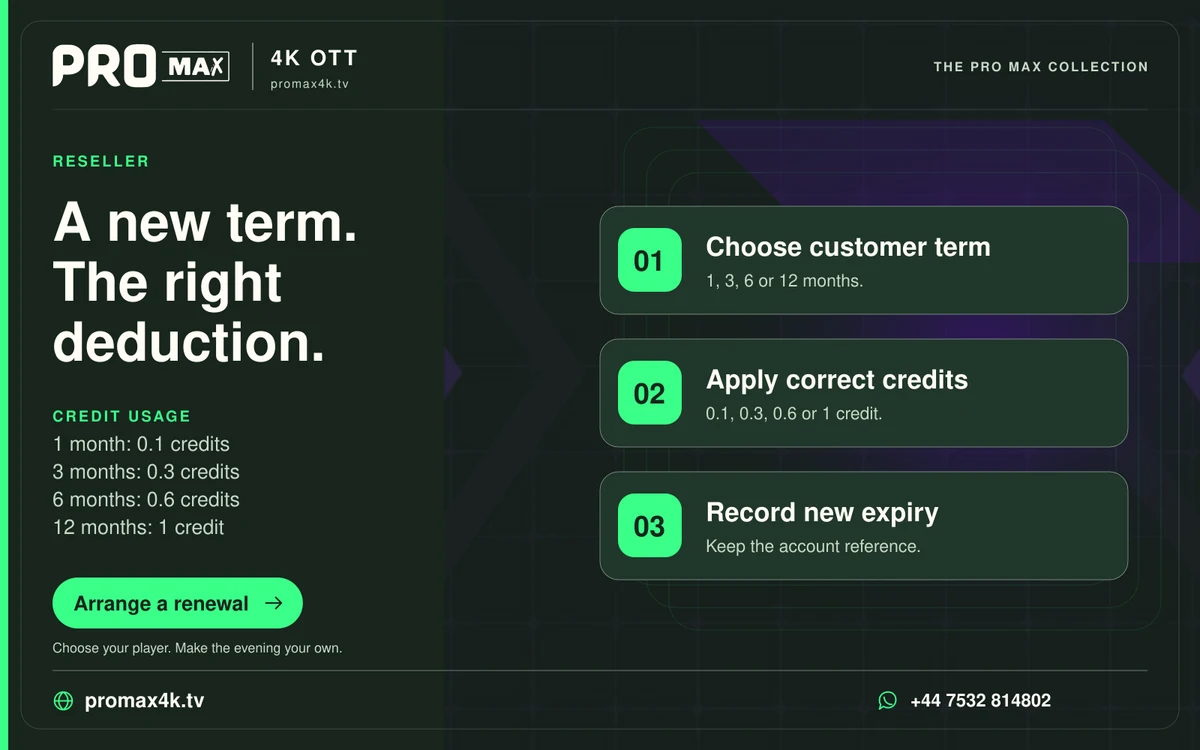
Fixed costs and variable costs describe how expenses behave relative to activity over a chosen planning period and relevant range. A fixed cost does not change directly with each additional sale within that range. A variable cost changes with the activity being modeled, such as a documented per-activation credit cost or transaction charge. Some expenses combine a base amount with usage-related charges or rise in steps when capacity changes. Classification therefore depends on the actual arrangement rather than the expense's name alone. This distinction supports contribution and break-even calculations, while remaining separate from the timing of a payment and the broader definition of profit.
Fixed and variable costs and Profit
Costs describe outgoing resources; profit is what remains after the relevant costs are deducted from revenue.
Choose the period and activity first
A monthly software fee can be fixed for a monthly sales model even if its annual renewal changes later. A support arrangement might be a flat retainer, per-case payment or employee cost with capacity limits. State the sales unit and time period before classifying expenses. A cost that is fixed over ten sales may rise when a higher workload requires another plan or person.
A bulk payment can still fund variable usage
Purchasing a credit pack creates a cash outflow at one time, while later activations consume units according to the panel's actual rules. The whole purchase is not automatically a fixed cost of one month's sales just because it was prepaid. Separate cash-flow planning from the cost assigned to activity, and use a consistent method for the applicable model and accounting treatment.
Check mixed and omitted expenses
A payment service might charge a monthly base plus an amount per transaction. Split those components where the terms permit rather than forcing the entire fee into one category. Include relevant support, refunds and other documented costs when evaluating a model's scope. Double-counting a cost as both fixed and variable can distort break-even just as much as omitting it entirely.
An illustrative example
An illustrative arrangement has a USD 20 monthly panel tool fee and a USD 0.50 fee per sale. In a simple monthly model, USD 20 is fixed and USD 0.50 is variable per sale. If the tool switches to a higher tier above a stated volume, the original fixed-cost assumption needs review at that threshold.
Practical actions
- Define the planning period and sales activity before classifying costs.
- Separate base fees, usage charges and capacity steps using actual terms.
- Keep prepaid cash movements distinct from costs allocated to later sales.