
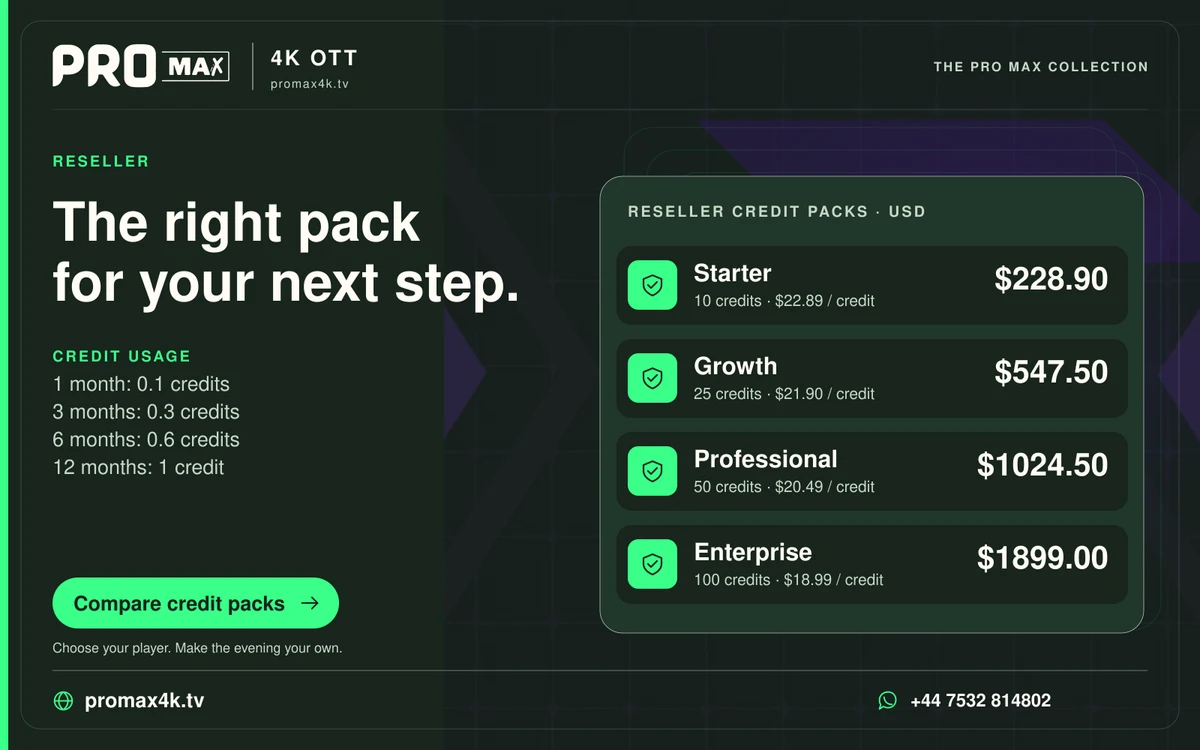
Gross profit is sales revenue minus the direct cost assigned to those sales under a defined accounting approach. It describes a monetary amount before other expenses that may remain, such as overhead, support costs or financing. It must not be presented as take-home earnings. In a reseller example, the cost of credits consumed by sold activations can be relevant, but a complete credit purchase and the cost allocated to one sale are different figures. Use a consistent definition of revenue and included direct costs, and keep taxes, refunds or other adjustments clear rather than mixing incompatible amounts into one subtraction.
Gross profit and Revenue
Revenue is the incoming sales amount before deducting the relevant costs.
Match revenue with the associated cost
A large credit purchase can support several later sales. Comparing all of that purchase against just one sale can distort the transaction's gross result, while ignoring consumed credits overstates it. Record the supported action's unit consumption and the applicable purchase cost consistently. The precise accounting treatment of prepaid service units depends on the arrangement; a simple illustration should state its assumptions instead of implying a formal set of accounts.
Gross profit leaves other costs to consider
Payment processing, customer support, software, advertising and other expenses can reduce what remains after the initial gross calculation. Their classification should be consistent with the chosen model. A positive gross figure therefore does not prove that the business is profitable overall. It also says nothing by itself about cash timing, because a supplier may be paid before the customer revenue is received.
Use amounts before percentages
First identify net sales and the direct cost assigned to those sales, then subtract to find gross profit. Gross margin expresses that amount as a share of revenue; markup expresses the added amount as a share of cost. Those percentages cannot be substituted for the monetary result. Keep the calculation's period, currency and cost scope visible when comparing transactions or reporting a summary.
An illustrative example
An illustrative activation sells for USD 30 and has an assigned direct credit cost of USD 18. Its gross profit under that limited model is USD 12. Support time, payment charges and other business expenses may still reduce the final result. Receiving USD 30 does not make the entire payment profit.
Practical actions
- Match each sale with its consistently assigned direct cost.
- State which expenses remain outside the gross-profit calculation.
- Keep gross profit, gross margin, markup and cash received as separate measures.