A plan price can appear in several formats while remaining one business fact. Maintain a structured record of the plan identifier, term or credit quantity, currency and total. Use it to update visible page text, artwork, structured data and order selection logic together. A source record reduces inconsistent edits; it does not make an unchecked value correct merely because it is repeated everywhere.
Give the plan a stable identity
A display label can change while the underlying plan remains the same. Use a stable internal identifier alongside the customer-facing name. A subscription duration and a reseller credit quantity are different product dimensions and should not share an ambiguous field. Keep the source of the agreed price and the date of the change with the maintenance record.
Check every representation
A text update does not change the price embedded in an image. A new card does not update the order’s JavaScript data. Review the product page, comparison table, message preview and relevant structured data for the same total. Include smaller responsive image variants in the artwork review. Customers can encounter any of these representations through a shared link or cached page.
Verify the result through the customer task
Choose each plan in the browser and read the prepared summary before considering the update complete. Invalid query parameters should not silently select an unrelated expensive plan. The confirmation step should make the term and total understandable. Keep live payment or provisioning verification separate from checking a static enquiry form.
A practical sequence
0 of 4 steps completed on this page.
An example to work through
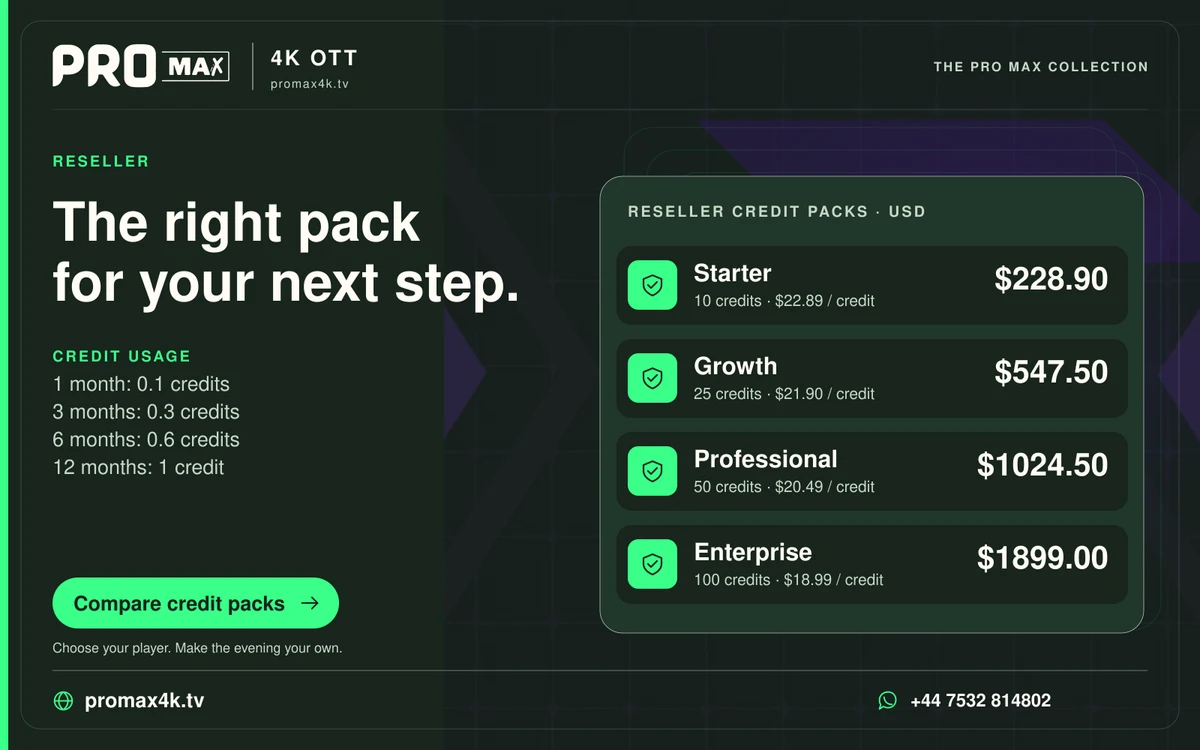
The Enterprise package totals 100 × $18.99 = $1899.00 USD. If its card shows $1899.00 but the order summary displays an older total, the update is incomplete even when the comparison table is correct. Include the 800-pixel and 1200-pixel card variants in the same check.